
Pressure washing is defined as the use of high-pressure water streams to remove oil, grease, algae, grime, and embedded contaminants from hard surfaces. Why parking lots need pressure washing comes down to three facts: contaminated pavement creates slip hazards, corrosive fluids destroy asphalt and concrete from the inside out, and dirty lots drive away customers before they ever walk through your door. Clean parking areas can increase retail visitor traffic by 15–20%, which means the condition of your lot directly affects your bottom line. For property owners, business operators, and facility managers, pressure washing is not optional maintenance. It is a core part of protecting your asset.
Why parking lots need pressure washing: the core case
Parking lots collect more contaminants per square foot than almost any other surface on a commercial property. Every vehicle that pulls in leaves behind motor oil, transmission fluid, brake dust, and tire residue. Rain spreads those fluids across the pavement, and sun bakes them in. The result is a surface that looks neglected and performs dangerously.
The safety case is direct. Regular pressure washing reduces slip-and-fall risks by up to 30% by stripping away the slick film of oil and biological growth that builds up over time. That 30% reduction translates to fewer incidents, fewer injury claims, and lower insurance exposure for your property.
Curb appeal is equally measurable. A stained, grimy lot signals neglect to every visitor who pulls in. A clean lot signals that the property is managed well. That perception shapes whether a tenant renews a lease, whether a retail customer returns, and whether a prospective buyer makes an offer. The benefits of pressure washing parking lots extend well beyond aesthetics into real financial outcomes.
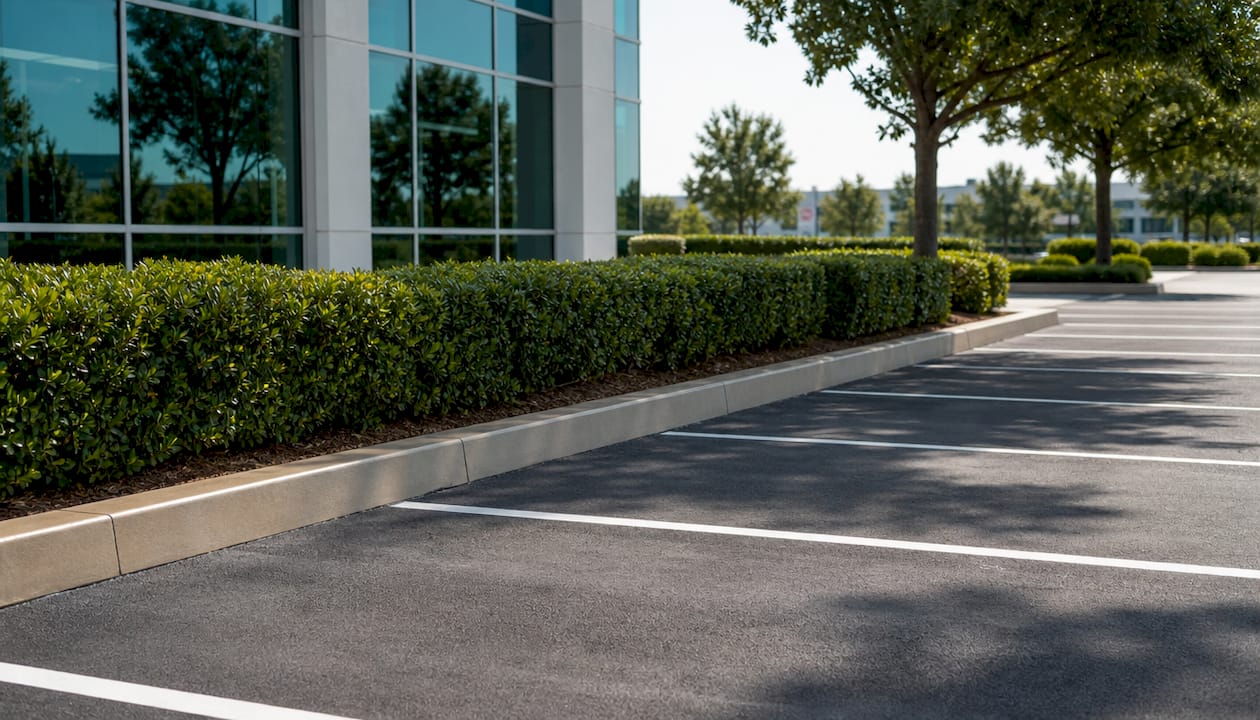
Pro Tip: Schedule pressure washing early in the morning before peak traffic hours. You get a dry, clean surface by the time visitors arrive, and you avoid disrupting business operations.
Key benefits at a glance
- Removes oil and grease that soften asphalt and accelerate cracking
- Eliminates algae, mold, and biological growth that create slip hazards
- Restores line marking visibility, which improves traffic flow and reduces accidents
- Reduces legal exposure by demonstrating proactive, documented maintenance
- Improves tenant satisfaction and visitor first impressions
Quarterly pressure washing led to a 30% increase in positive tenant feedback in one commercial complex study. That number reflects something facility managers often underestimate: tenants notice the parking lot before they notice anything else.
How often should parking lots be pressure washed?
Cleaning frequency depends on traffic volume, surface type, and local climate. A high-traffic retail center in Orange County needs far more frequent attention than a low-traffic office park. Getting the frequency wrong in either direction costs money. Too infrequent, and contaminants cause irreversible damage. Too frequent, and you are spending budget without proportional benefit.
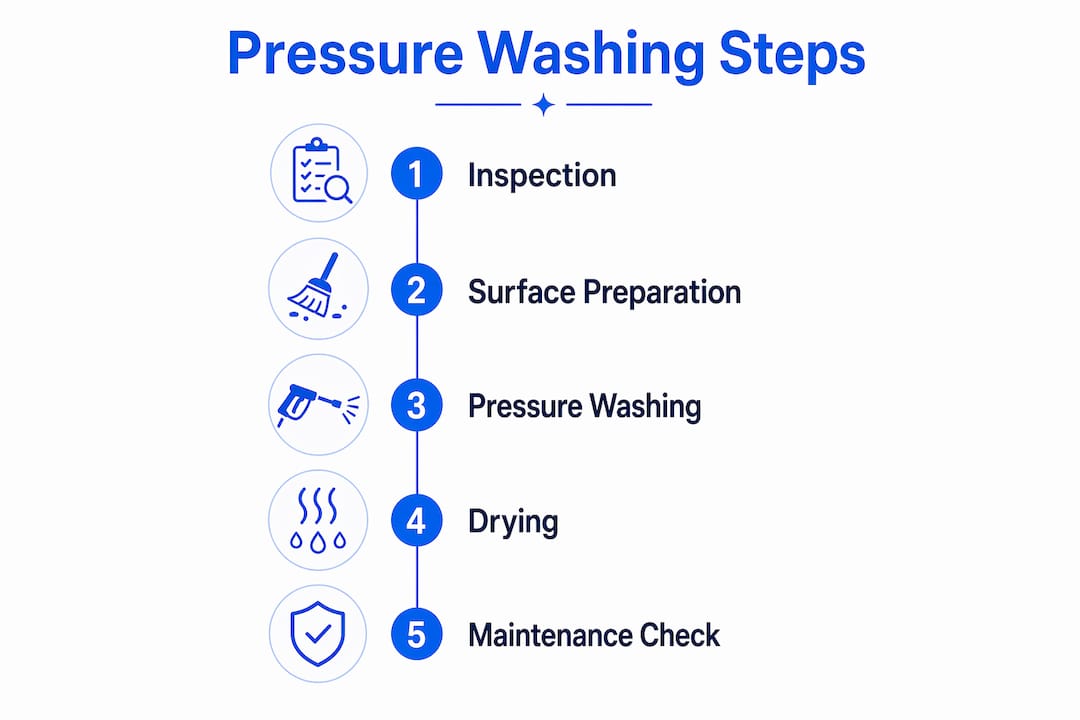
Industry best practice in 2026 recommends quarterly pressure washing for high-traffic commercial garages and annual cleaning for lower-traffic facilities. The table below translates that guidance into a practical schedule.
| Traffic level | Property type | Recommended frequency |
|---|---|---|
| High | Retail centers, hospitals, garages | 3–4 times per year |
| Moderate | Office parks, mid-size commercial | Twice per year |
| Low | Residential complexes, small lots | Once per year |
| Post-event | Event venues, stadiums | After each major event |
Seasonal timing matters as much as frequency. In regions that use road salt during winter, a thorough wash in early spring removes chloride residue that accelerates concrete corrosion. In Southern California, the dry season concentrates oil and dust buildup, making a late-summer wash before the rainy season a smart call. Rain carries surface contaminants directly into storm drains, so cleaning before wet weather reduces your environmental liability as well.
Pro Tip: Keep a written cleaning log with dates, contractor names, and photos of the lot before and after each wash. That documentation is your first line of defense if a slip-and-fall claim ever reaches a courtroom.
What is the proper process for pressure washing a parking lot?
Effective parking lot cleaning follows a defined sequence. Skipping steps produces poor results and can damage surfaces or create environmental violations. The process is not simply pointing a pressure washer at the ground.
-
Power sweep first. Professional cleaning programs use ride-on vacuum sweepers before pressure washing to remove loose debris. Sand, gravel, and leaf matter clog drains and reduce wash quality if left in place. Sweeping is not a substitute for washing. The two serve different but complementary roles.
-
Pre-treat oil and grease stains. Apply an eco-friendly degreaser to heavy stain areas and allow it to dwell for several minutes. This breaks down the bond between the contaminant and the surface before water hits it.
-
Wash with hot water at the correct PSI. Hot water pressure washers with eco-friendly degreasers remove grease and oil without damaging surfaces. Adjusting PSI and water temperature based on surface type is critical. Asphalt requires lower pressure than concrete to avoid surface erosion. A standard range for asphalt is 1,500–2,000 PSI, while concrete can handle 2,500–3,000 PSI.
-
Direct runoff away from storm drains. Many municipalities require containment of wash water that carries oil and chemicals. Use berms or vacuum recovery systems to capture runoff before it reaches the drain.
-
Inspect and document. Walk the lot after washing to identify cracks, potholes, or faded line markings that need attention. A clean surface reveals damage that grime was hiding.
Pro Tip: Never use the same PSI setting on asphalt that you use on concrete. High pressure on asphalt strips the binder from aggregate, which accelerates surface breakdown and shortens pavement life.
For a full breakdown of surface-specific techniques, the Orange County pressure washing guide covers residential and commercial applications in detail.
How does regular pressure washing reduce long-term costs?
Deferred maintenance on parking lots is one of the most expensive decisions a property owner can make. The math is straightforward: a routine wash costs a fraction of what a full resurfacing or structural repair costs. Pressure washing removes the agents that cause that damage before they penetrate deep enough to require intervention.
Oil leaks and chemical spills soften asphalt, accelerating wear and leading to cracks and potholes. Once a crack forms, water infiltrates the base layer. Moisture and water infiltration are the primary drivers of concrete structural damage, and preventive cleaning costs far less than structural repairs. That sequence, fluid softens surface, crack forms, water enters, base fails, is entirely preventable with a consistent wash schedule.
The liability angle is equally compelling. Proactive maintenance documentation defends against slip-and-fall claims by proving consistent cleaning efforts. A single successful premises liability lawsuit can cost far more than years of professional cleaning contracts. Keeping detailed logs transforms your cleaning program from an expense into a legal asset.
The long-term value of pressure washing also shows up in property appraisals and lease negotiations. A well-maintained lot is a documented asset. A deteriorated lot is a disclosed liability.
- Prevents crack formation by removing corrosive fluids before they penetrate
- Delays resurfacing by years when combined with regular sealcoating
- Reduces pest harborage by eliminating food residue and standing water
- Supports insurance defense with documented cleaning records
- Complements sweeping, inspections, and sealcoating in a full maintenance program
Key Takeaways
Parking lot pressure washing is the single most cost-effective maintenance practice for preventing surface deterioration, reducing slip hazards, and protecting property owners from liability claims.
| Point | Details |
|---|---|
| Safety comes first | Pressure washing reduces slip-and-fall risks by up to 30% by removing oil and biological growth. |
| Frequency drives results | High-traffic lots need washing 3–4 times per year; low-traffic lots need at least once annually. |
| Process order matters | Always sweep before washing to remove debris and prevent storm drain blockages. |
| Documentation protects you | Detailed cleaning logs serve as legal evidence in premises liability cases. |
| Prevention beats repair | Removing corrosive fluids early prevents cracks, potholes, and costly resurfacing. |
What I’ve learned from watching property owners skip this step
I have seen the same pattern repeat across commercial properties in Orange County. A facility manager cuts the cleaning budget in a slow quarter, skips two or three scheduled washes, and then spends three times the savings on crack filling and line repainting the following year. The math never works in their favor.
The insight that most articles miss is this: pressure washing is not just cleaning. It is inspection. Every time a professional crew washes a lot, they see the surface clearly for the first time since the last wash. That is when you spot the early crack before it becomes a pothole, the faded stop bar before it causes a collision, and the drainage issue before it floods the lot in the next rainstorm.
My strong recommendation is to treat pressure washing as a scheduled, non-negotiable line item, not a reactive fix. Build it into your annual maintenance calendar the same way you schedule HVAC service or roof inspections. Pair it with a written log that includes photos, contractor details, and any surface issues noted. That record is worth far more than the cleaning itself if you ever face a liability claim.
Choosing a contractor matters too. Ask for proof of insurance, ask how they handle wash water runoff, and ask whether they adjust PSI for asphalt versus concrete. A contractor who cannot answer those three questions is not the right fit for a commercial property.
— nolan
Broswindowcleaningoc keeps your parking lot clean and compliant
Property owners in Orange County trust Broswindowcleaningoc for professional parking lot pressure washing that is matched to surface type, traffic level, and local environmental requirements. The team uses hot water equipment and eco-friendly degreasers to remove oil, grease, and biological buildup without damaging asphalt or concrete.
Broswindowcleaningoc offers flexible scheduling so cleaning happens during off-peak hours, keeping your lot open and your tenants satisfied. Every job is fully insured, and the crew documents each visit so you have the records you need for safety compliance and liability defense. If you want a cleaner, safer lot without the guesswork of managing it yourself, Broswindowcleaningoc is the local team built for the job.
FAQ
Why do parking lots need pressure washing regularly?
Parking lots accumulate oil, grease, algae, and chemical residue that create slip hazards and degrade pavement. Regular pressure washing removes these contaminants before they cause structural damage or injury.
How often should a commercial parking lot be pressure washed?
High-traffic commercial lots should be washed 3–4 times per year, while moderate-traffic properties need twice-yearly cleaning and low-traffic lots need at least one annual wash.
Does pressure washing actually prevent pavement damage?
Oil and chemical spills soften asphalt and initiate cracking. Removing them through pressure washing stops that damage cycle before it reaches the base layer, delaying costly resurfacing.
Can pressure washing reduce legal liability for property owners?
Documented cleaning records demonstrate proactive maintenance and serve as evidence in slip-and-fall liability cases, reducing exposure for property owners and facility managers.
What is the difference between sweeping and pressure washing a parking lot?
Sweeping removes loose debris like sand and gravel, while pressure washing removes embedded stains, oil, and biological growth. Both are necessary for complete parking lot maintenance, and sweeping should always come first.