
Professional roof cleaning for businesses removes organic growth, clears drainage, protects roofing warranties, and prevents the kind of premature failure that turns a $15,000 cleaning deferral into a $150,000 replacement. The immediate next step: schedule a commercial roof inspection and quote before the next seasonal window closes. Broswindowcleaningoc offers fully insured commercial roof cleaning in Orange County, CA, with on-roof inspection included.
A standard commercial visit covers:
- Soft/low-pressure washing with biodegradable, roof-safe cleaners to remove algae, moss, and biological staining
- Debris removal and drain/scupper clearing to eliminate ponding risk
- On-roof visual inspection with photo documentation
- Minor repairs (reflashing, fastener reseating) when included in the contract scope
Table of Contents
- What does a commercial roof cleaning job actually include?
- Why professional commercial roof cleaning matters more than you think
- How a commercial roof maintenance program works and the ROI it delivers
- What does commercial roof cleaning typically cost?
- What happens on cleaning day?
- How do you evaluate and hire a reliable commercial roof cleaning contractor?
- Key Takeaways
- What commercial cleaners wish facility managers knew
- Broswindowcleaningoc handles commercial roof cleaning in Orange County
- Useful sources for facility teams
What does a commercial roof cleaning job actually include?
Roof cleaning services for businesses follow a structured three-step process: debris removal first, then the cleaning pass, then a post-treatment application to slow biological re-growth. Each step matters on its own.
- Soft washing: Low-pressure application with roof-specific cleaners treats algae, lichen, and mold without abrading TPO, PVC, EPDM, metal, or modified bitumen membranes. High-pressure residential power washing is not appropriate here.
For a deeper look at what drain service involves during a cleaning visit, the commercial building roof drain cleaning guide covers scupper and internal drain protocols in detail.
Why professional commercial roof cleaning matters more than you think
DIY cleaning or deferred maintenance carries real financial risk. Skipping preventive maintenance is the primary driver of premature roof failure, and most manufacturer warranties require documented maintenance to remain valid. A crew with a garden hose and a rented pressure washer voids both.
What professional methods protect that DIY cannot:
- Membrane integrity: soft washing preserves the factory surface of TPO and EPDM; high-pressure washing strips protective coatings and accelerates UV degradation
- Warranty standing: documented professional service visits are the paper trail manufacturers require when a warranty claim is filed
- Energy performance: a clean, reflective roof surface reduces cooling loads, which matters in warm climates like Southern California
Trust signals that separate qualified commercial contractors from general handymen:
- Proof of general liability and workers’ compensation insurance (request certificates, not verbal assurances)
- Industry memberships such as IWCA (International Window Cleaning Association) or SPRAT (Society of Professional Rope Access Technicians) for crews working at height
- Demonstrated experience across commercial roof types, not just residential shingles
- Written documentation delivered after every visit
The benefits of scheduled roof cleaning extend well beyond aesthetics. A clean roof drains faster, reflects more heat, and gives inspectors a clear surface to assess.
Proactive maintenance delivers a 4:1 return on investment versus reactive repair spending — meaning every dollar spent on scheduled cleaning and inspection saves roughly four dollars in emergency repairs and accelerated replacement costs.
How a commercial roof maintenance program works and the ROI it delivers
A maintenance program is not just a cleaning schedule. It is a documented asset-management plan for one of your building’s most expensive components.
Core program elements, per industry guidance:
- Spring inspection: post-thaw drain clearing, membrane assessment, and repair of any winter damage
- Fall inspection: final debris clearance, drain check, and preparation for freeze cycles or heavy rain season
- After-storm inspections: triggered by hail events, high winds, or heavy debris loads to document damage before it worsens
- Documentation log: timestamped photos, repair descriptions, materials used, and the next recommended service date
- Annual repair allowance: a pre-approved flat-dollar amount in the contract that lets crews fix small defects immediately
Pro Tip: Ask your contractor to include a pre-approved minor-repair allowance of $1,500–$5,000 (scaled to facility size) in the service agreement. Without it, small seam separations wait weeks for approval and become water intrusion events.
The inspection documentation practices that support this log are the same records your insurance adjuster and warranty administrator will request after a loss event.
Full-service maintenance programs typically run $0.15–$0.25 per square foot per year, covering biannual inspections, drain clearing, minor repairs, and documentation. On a large roof, that annual cost is a fraction of the potential replacement cost.
What does commercial roof cleaning typically cost?
Pricing varies by roof type, access complexity, biological buildup level, and whether you are buying a one-time cleaning or an annual program.
| Service Type | Typical Range | Notes |
|---|---|---|
| Inspection only | — | Visual + photo report; no cleaning |
| One-time cleaning (per sq ft) | Varies | Soft wash, debris removal, drain clear |
| Full maintenance program | $0.15–$0.25 per sq ft/year | Biannual visits, minor repairs, documentation |
| Emergency/post-storm inspection | — | Priority scheduling, damage documentation |
Factors that push a quote higher: multi-story access requiring rigging or lifts, heavy lichen or moss requiring dwell time, rooftop equipment that needs protection during washing, and safety barricading requirements for occupied buildings.
Questions to ask before accepting a quote:
- What pressure (PSI) and what cleaner chemistry will you use on this membrane type?
- Does the price include a written inspection report and before/after photos?
- Is a minor-repair allowance available, and what is the approval process?
- How does your method affect my manufacturer warranty?
- What is your response time for post-storm inspections?
A contractor who cannot answer the warranty question directly is a contractor who has not worked on commercial membranes before.
What happens on cleaning day?
Knowing the sequence helps facility teams coordinate access, notify tenants, and set expectations with building ownership.
- Arrival and site prep: Crew confirms roof access, reviews safety plan, and sets up barricades or cones at ground-level entry points below the work area.
- Equipment protection: HVAC units, skylights, and rooftop antennas are covered or isolated before any water or chemical application begins.
- Debris removal: Loose material is bagged and removed from the roof before washing. Drains and scuppers are cleared manually.
- Soft wash application: Roof-safe cleaners are applied at low pressure, allowed to dwell, then rinsed. Crews work in sections to maintain control of runoff.
- Inspection pass: After washing, the crew walks the full roof surface, photographs problem areas, and notes any defects requiring follow-up.
- Minor repairs: If a repair allowance is in the contract, small fixes happen now. Otherwise, the punch list goes into the written report.
- Documentation and sign-off: You receive timestamped before/after photos, inspection notes, and a recommended follow-up date before the crew leaves.
How crews minimize disruption:
- Scheduling around peak business hours or off-hours when access allows
- Using soft-wash equipment that does not require heavy machinery on the roof deck
- Coordinating with facility teams on commercial building cleaning procedures to avoid conflicts with tenant operations
How do you evaluate and hire a reliable commercial roof cleaning contractor?
The selection process is where most facility managers lose money. A low bid from an unqualified crew can void a warranty, damage a membrane, and leave you with no documentation to support an insurance claim.
Credentials to verify before signing anything:
- Current general liability certificate (minimum $1M per occurrence for commercial work)
- Workers’ compensation coverage for every crew member on your roof
- Proof of bonding
- Years of experience specifically on commercial roofs (not just residential)
- Safety certifications: SPRAT for rope access crews, IWCA membership for window and exterior cleaning operations
- References from comparable commercial properties
Operational checks:
- Confirm they use soft washing, not high-pressure equipment, on your membrane type.
- Ask for product safety data sheets for the cleaners they plan to use.
- Request a sample inspection report from a previous commercial job.
- Verify they carry insured cleaning company credentials and can name the insurer on request.
- Ask whether they have experience with your specific membrane: TPO, EPDM, metal, modified bitumen, or PVC.
Red flags that should end the conversation:
- Insistence on high-pressure washing for flat commercial membranes
- No on-roof inspection offered during the cleaning visit
- Verbal-only scope with no written deliverables
- Hourly billing with no defined scope or cap
- No documentation provided after the visit
- Inability to explain how their method affects your warranty
Key Takeaways
Professional commercial roof cleaning, done twice yearly with documentation and a repair allowance in the contract, is the single most cost-effective way to extend roof life and protect manufacturer warranties.
| Point | Details |
|---|---|
| Clean twice yearly, minimum | Spring and fall visits are the industry baseline; high-exposure roofs may need quarterly service. |
| Documentation protects warranties | Every visit needs timestamped photos, repair notes, and a follow-up date to satisfy manufacturer requirements. |
| Repair allowance saves money | A pre-approved repair allowance in the contract prevents small defects from becoming costly emergencies. |
| Maintenance ROI is 4:1 | Proactive programs return roughly four dollars in avoided repairs for every dollar spent on scheduled maintenance. |
| Broswindowcleaningoc for Orange County | Fully insured commercial roof cleaning with on-roof inspection, photo documentation, and maintenance program enrollment available. |
What commercial cleaners wish facility managers knew
Most facility managers think of roof cleaning as a cosmetic service. It is not. The cleaning pass is the lowest-cost inspection your roof will ever get, and the crews doing it are often the first people to see a seam separation or a blocked secondary drain before it becomes a six-figure problem.
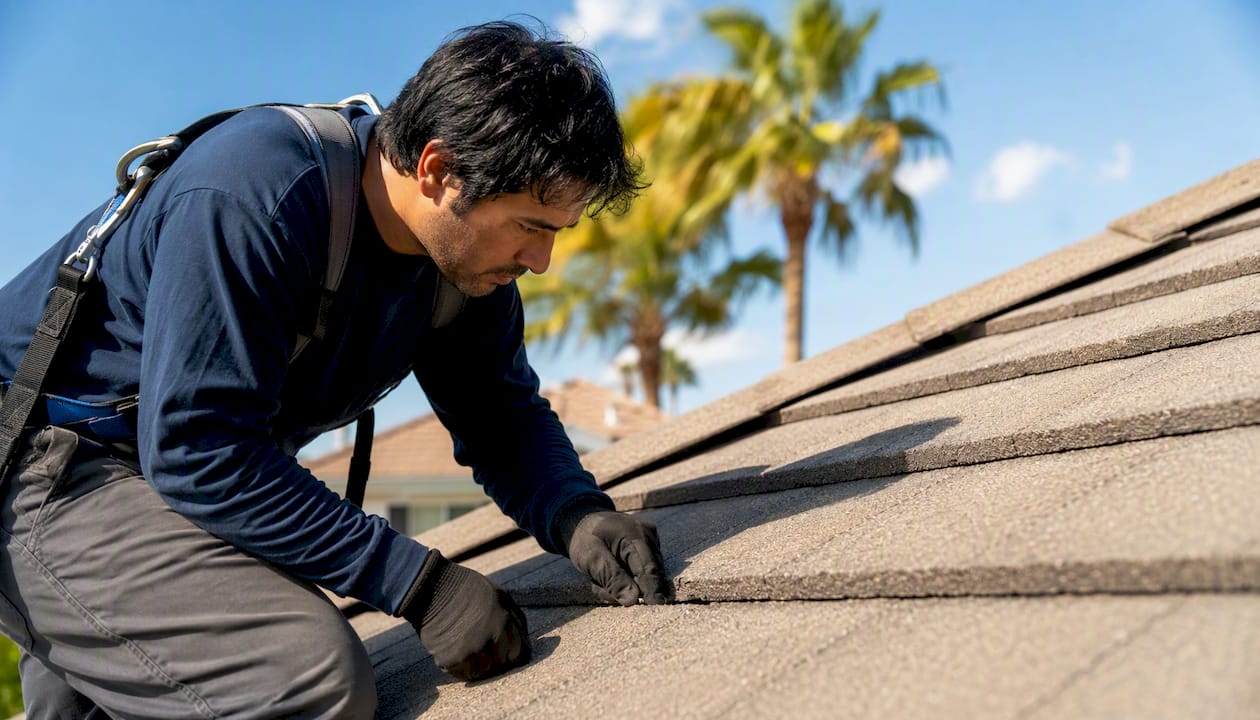
The repair allowance conversation is the one most managers skip, and it is the one that costs the most. When a crew finds a failing flashing and there is no pre-approved budget to fix it that day, the defect goes on a punch list, the punch list waits for approval, and three weeks later there is water in the ceiling. A standing allowance in the contract removes that lag entirely.
Continuity matters more than most people realize. A crew that has serviced your roof for two or three seasons knows where the problem drains are, which seams have moved, and what the baseline looks like after a storm. That institutional knowledge does not transfer when you switch vendors to save $200 on a bid.
Broswindowcleaningoc handles commercial roof cleaning in Orange County
Skip the vendor search. Broswindowcleaningoc brings over five years of commercial cleaning experience, full general liability and workers’ compensation insurance, and a documented soft-wash process to every commercial roof job in Orange County. Every visit includes an on-roof inspection, before/after photo documentation, and a written maintenance report. Maintenance program enrollment with a pre-approved repair allowance is available for property managers who want a single annual contract covering inspections, drain clearing, and minor repairs.
Ready to protect your roof asset? Schedule a commercial roof cleaning or request a quote directly through the Broswindowcleaningoc site. For commercial glass and exterior work beyond the roof, the commercial glass curtain wall cleaning guide shows the full scope of what the team handles on large commercial properties.
Useful sources for facility teams
The following resources informed this guide and are worth bookmarking for warranty questions, inspection standards, and ROI calculations:
- Commercial Roof Maintenance Guide (2026) | Commercial Roof Guide
- Roof Cleaning Services | Commercial Roofing Company – CentiMark
- The Commercial Roof Maintenance Program: Cost, Schedule, and ROI
- Commercial roof maintenance guidance | Rimkus
- The Complete Guide to Commercial Roof Maintenance – RightMark Roofing
- Commercial Roof Maintenance Program | Aeroofing LLC
- Commercial Roof Cleaning Services – Spotless Cleaning Services and More
For warranty questions, consult your membrane manufacturer’s maintenance requirements directly alongside the NRCA (National Roofing Contractors Association) guidelines. This article is general information; confirm specific warranty terms and inspection requirements with your manufacturer or a licensed roofing professional.