
An awning cleaning service is a specialized professional process that removes dirt, mold, mildew, bird droppings, and embedded pollutants from fabric, vinyl, and metal awnings using material-appropriate products and techniques. Most property owners underestimate how much grime accumulates on awnings because rain deposits pollutants rather than washing them away. Without proactive cleaning, those contaminants embed permanently into fabric weave and surface coatings. Professional awning services protect the structural integrity of the material, extend the awning’s lifespan, and restore the curb appeal of any residential or commercial property. Broswindowcleaningoc provides exactly this type of expert exterior care for Orange County homeowners and businesses.
What is awning cleaning service and how does it work?
Professional awning cleaning is a multi-step process, not a simple rinse. Technicians follow a specific sequence to clean without causing damage, particularly on fabric awnings where the wrong technique strips protective coatings permanently.
The standard professional cleaning process runs in this order:
- Dry brushing. A soft broom removes loose dirt, leaves, and debris before any water touches the surface. Dry brushing before wet cleaning prevents loose particles from grinding into fabric pores during the wash stage, which would damage the weave and coatings.
- Chemical application. Cleaners are applied from the bottom of the awning upward to prevent streaking. Specialized products like Winsol Awning Clean & Protect clean and re-deposit fabric protectants in a single step. Dwell time varies based on how heavily soiled the surface is.
- Gentle agitation. A soft brush works the cleaner into the surface without fraying fibers or scratching metal.
- Thorough rinsing. Water flows from top to bottom to carry contaminants away cleanly. For non-fabric awnings, low-pressure rinsing at max 500 PSI avoids surface damage while still removing grime effectively.
- Protectant application. After cleaning, technicians apply a water-repellent coating to restore the awning’s resistance to moisture and UV exposure.
One of the most common misconceptions is that a pressure washer speeds up the job on fabric awnings. Pressure washing fabric awnings ruins the fluorocarbon water-repellent coating and frays the weave fibers. Once that coating is gone, the fabric absorbs water instead of shedding it, which accelerates mildew growth and shortens the awning’s life significantly.
Pro Tip: Ask your cleaning provider whether they apply a post-clean protectant. Protectant application adds 30–50% to the standard cleaning cost, but it extends the time between necessary cleanings and keeps the fabric performing as designed.
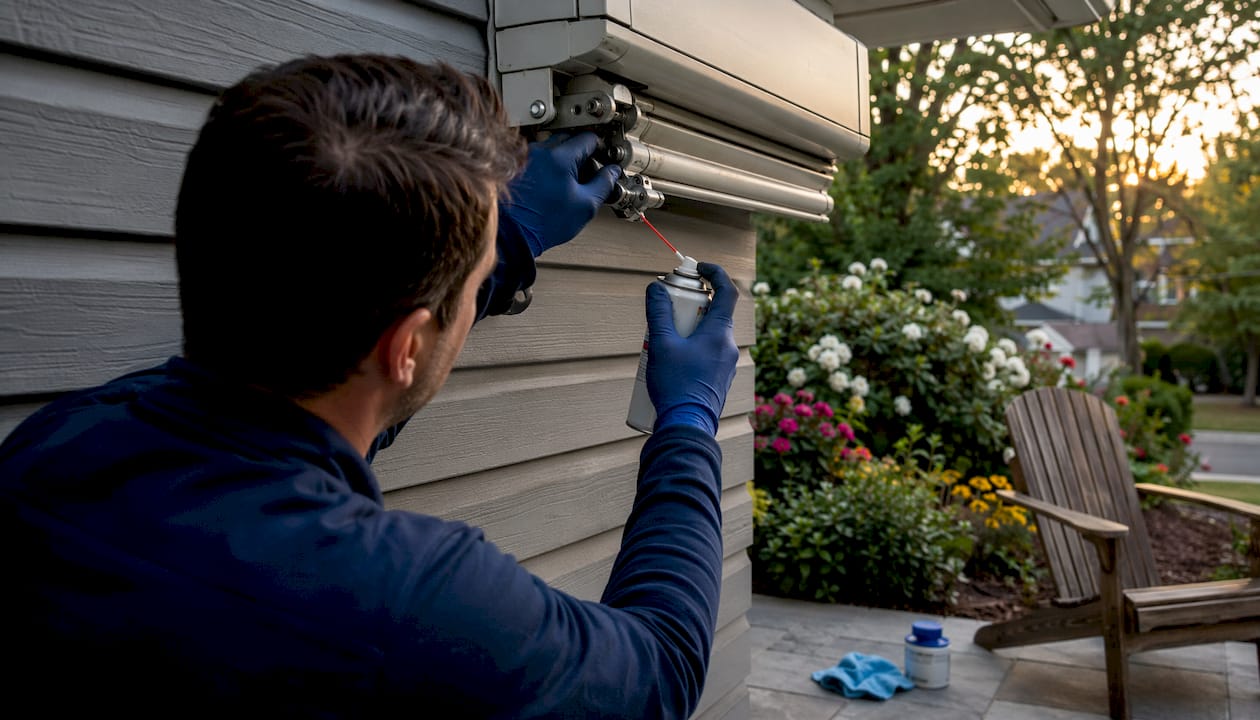
For retractable awnings, mechanical care is part of the service. Technicians wipe joints clean and apply dry silicone spray to moving parts, shielding the fabric from overspray. Oil-based lubricants like WD-40 attract dust and create an abrasive paste that damages both metal hardware and fabric over time.
What factors affect the cost of awning cleaning?
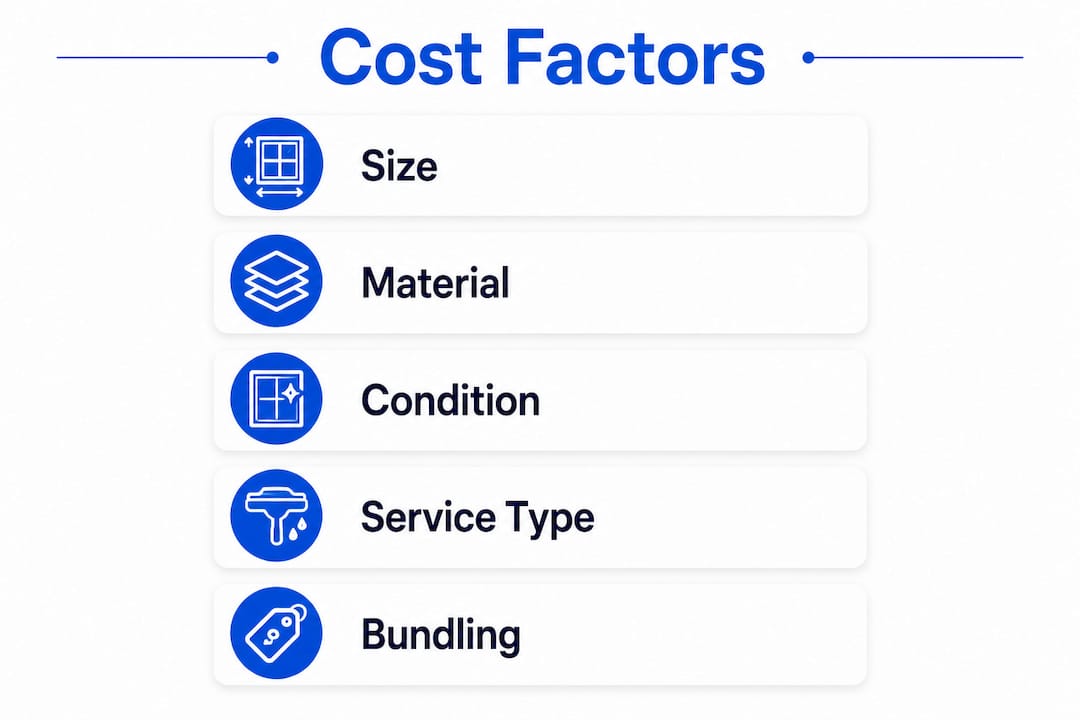
Awning cleaning costs vary widely based on size, material, and condition. Understanding the pricing structure helps you budget accurately and avoid surprises.
Typical price ranges:
| Awning Type | Per Linear Foot | Per Square Foot | Total Range |
|---|---|---|---|
| Residential (small) | $3–$8 | $0.50–$1.50 | $100–$250 |
| Commercial (large) | $5–$12 | $0.50–$1.50 | $500–$1,500+ |
Residential awning cleaning runs $100–$250 for small units, while commercial projects start at $500 and can exceed $1,500 depending on scale. That price gap reflects the difference in setup time, equipment, and labor required.
The key factors that drive cost up or down include:
- Size. Larger awnings require more product, more labor, and more time.
- Material. Fabric awnings with protective coatings require specialized products and gentler techniques, which cost more than basic vinyl or metal cleaning.
- Staining severity. Heavy mold, mildew, tree sap, or bird dropping buildup requires longer dwell times and multiple cleaning passes.
- Accessibility. Awnings on upper floors or over complex structures require ladders, lifts, or additional safety equipment.
- Frequency. Awnings cleaned on a regular schedule stay in better condition and cost less per visit than heavily neglected ones.
Bundling awning cleaning with other exterior services like window washing or pressure washing eliminates redundant setup time and often reduces the per-unit cost. For commercial property owners managing multiple exterior surfaces, bundled service contracts deliver the best value. Seasonal timing also affects price. Spring and fall are peak demand periods, so scheduling in late winter or early summer can sometimes secure better rates.
What maintenance tips do professionals recommend?
Consistent upkeep between professional cleanings is the single biggest factor in how long an awning lasts. Professionals recommend a two-tier maintenance schedule: monthly light cleaning during peak-use seasons and biannual deep cleanings in spring and fall. This routine can extend fabric lifespan by 50–100% compared to neglected awnings. That is a significant return on a relatively small investment of time.
Here are the maintenance practices that matter most:
- Brush off debris monthly. Use a soft broom to remove leaves, dust, and bird droppings before they embed or stain.
- Never retract a wet awning. Retracting while damp traps moisture inside the rolled fabric, creating the perfect conditions for mildew to set deep into the fibers. Always let the fabric dry fully before closing.
- Retract during high winds. Wind damage is the primary cause of mechanical awning failures. Bringing the awning in before a storm prevents bent arms, torn fabric, and broken motors.
- Lubricate moving parts with dry silicone spray. Apply it to hinges, joints, and pivot points after wiping them clean. Never use oil-based products on awning hardware.
- Check mounting hardware seasonally. Loose bolts and brackets create stress points that tear fabric and damage frames over time.
- Inspect for mold after wet weather. Catching mold early means a simple cleaning removes it. Left untreated, mold sets into fibers and requires professional remediation or fabric replacement.
Removing exterior grime proactively is always cheaper than repairing damage caused by neglect. The same principle applies to awnings. A $150 cleaning appointment is far less expensive than a $600 fabric replacement.
Pro Tip: Schedule your spring awning inspection right after the last frost. That timing catches any winter damage early and prepares the fabric for heavy summer UV exposure before it becomes a problem.
Which awning materials require special cleaning considerations?
Not all awnings clean the same way. The material determines which products are safe, which techniques work, and which mistakes cause permanent damage.
Fabric awnings (acrylic, canvas, Sunbrella) are the most common and the most sensitive. Acrylic fabrics like Sunbrella are solution-dyed, meaning color runs through the fiber rather than sitting on the surface. This makes them fade-resistant but still vulnerable to harsh chemicals. Bleach on colored fabric awnings causes irreversible fading and fiber breakdown. Use pH-neutral, fabric-specific cleaners instead. Pressure washing is always the wrong choice on fabric. It strips the fluorocarbon coating that makes the fabric water-repellent, and no amount of re-treatment fully restores the original factory finish.
Vinyl awnings handle cleaning more aggressively than fabric. Common stains on vinyl include algae, oxidation, and general atmospheric grime. A mild detergent with a soft brush removes most buildup. Vinyl tolerates slightly higher rinse pressure than fabric, but direct high-pressure streams still risk cracking or warping seams over time.
Metal awnings face a different challenge: oxidation. Aluminum awnings develop a chalky white oxidation layer that dulls the surface. Specialized products like Aluma Wash dissolve oxidation without scratching the metal. After cleaning, a metal-appropriate sealant protects the surface from future oxidation and extends the finish.
A quick way to identify your awning material: fabric awnings flex and fold when touched, vinyl awnings feel smooth and slightly rigid, and metal awnings are firm with visible seams or corrugation. Knowing your material before calling a professional helps you ask the right questions and verify that the service provider is using the correct products. Seasonal cleaning routines for each material type are covered in detail in this seasonal property cleaning guide.
When should you hire professional awning cleaning services?
DIY cleaning works for routine monthly maintenance on ground-level awnings in good condition. Professional awning services become necessary in specific situations where DIY methods fall short or create safety risks.
Call a professional when:
- The awning is high or hard to reach. Working from a ladder with cleaning equipment and water is a genuine fall risk. Professionals carry the right equipment and insurance for elevated work.
- Mold or mildew has set in. Surface mold responds to DIY cleaning. Deep mold embedded in fabric fibers requires professional-grade products and technique to remove without damaging the material.
- Bird droppings, tree sap, or rust stains are present. These require targeted chemical treatments that vary by stain type. Using the wrong product on the wrong stain can set it permanently.
- The awning is motorized or retractable. Mechanical components need inspection alongside cleaning. A professional checks the motor, arms, and mounting hardware while servicing the fabric.
- The awning has not been cleaned in over a year. Accumulated grime at that level requires a deep clean with extended dwell times and multiple product applications that go beyond what a garden hose and household cleaner can accomplish.
Boosting curb appeal through exterior cleaning is one of the highest-return investments a property owner can make. A clean awning signals a well-maintained property to visitors, customers, and potential buyers alike.
Key Takeaways
Professional awning cleaning service preserves material integrity, prevents permanent staining, and extends awning lifespan through material-specific products, correct technique, and consistent maintenance schedules.
| Point | Details |
|---|---|
| Rain does not clean awnings | Rainfall deposits pollutants into fabric; only active cleaning removes embedded grime. |
| Material determines method | Fabric, vinyl, and metal each require different products and pressure levels to avoid damage. |
| Cost scales with size and condition | Residential cleaning runs $100–$250; commercial projects start at $500 and rise with scale. |
| Retract only when fully dry | Closing a damp awning traps moisture and causes rapid mildew growth inside the fabric. |
| Bundle services for better value | Pairing awning cleaning with window or pressure washing reduces setup costs per service. |
Why I think most property owners wait too long
After seeing hundreds of awnings in various states of neglect, the pattern is consistent: property owners treat awning cleaning as optional until the damage is visible from the street. By that point, the mold is deep in the fibers, the coating is gone, and the fabric is months away from needing full replacement.
The real cost of skipping maintenance is not the cleaning fee you avoided. It is the $400–$800 fabric replacement you now cannot avoid. I have seen commercial property owners spend thousands replacing awnings that a $300 annual cleaning program would have kept in service for another decade.
The other mistake I see constantly is using WD-40 on retractable awning hardware. It feels like the right fix because the mechanism moves smoothly for a week. Then the oil attracts dust, forms a gritty paste, and grinds against the metal every time the awning opens. Dry silicone spray does the same job without the long-term damage.
The balance between DIY upkeep and professional service is straightforward. Handle the monthly brush-off yourself. Leave the biannual deep clean, protectant application, and mechanical inspection to a professional. That split keeps costs manageable and keeps the awning performing the way it was designed to. Proper maintenance is not a luxury. It is the cheapest form of awning ownership there is.
— nolan
Broswindowcleaningoc: professional awning care in Orange County
Broswindowcleaningoc brings over five years of exterior cleaning experience to residential and commercial awning care across Orange County. The team uses material-appropriate products and low-pressure techniques that clean thoroughly without stripping protective coatings or damaging fabric weave.
Every service is fully insured, and the team handles fabric, vinyl, and metal awnings with the same attention to detail. Bundling awning cleaning with pressure washing or window services reduces setup costs and keeps your entire exterior looking sharp in a single visit. For property owners who want to understand the full scope of exterior cleaning options available, the exterior cleaning services guide covers every service Broswindowcleaningoc offers. Schedule a cleaning before the summer heat sets in and give your awning the maintenance it needs to last.
FAQ
What does an awning cleaning service include?
A professional awning cleaning service includes dry brushing, chemical application with appropriate dwell time, gentle agitation, thorough rinsing, and often a post-clean protectant application to restore water repellency.
How often should awnings be professionally cleaned?
Professionals recommend biannual deep cleanings in spring and fall, combined with monthly light maintenance during peak-use seasons to extend fabric lifespan and prevent permanent staining.
Can I pressure wash my fabric awning?
Pressure washing fabric awnings strips the fluorocarbon water-repellent coating and frays the weave fibers, causing permanent damage. Low-pressure rinsing with fabric-appropriate cleaners is the correct method.
What is the average cost of awning cleaning?
Residential awning cleaning typically costs $100–$250 for small units, while commercial awnings run $500–$1,500 or more depending on size, material, accessibility, and staining severity.
Why should I never retract a wet awning?
Retracting a damp awning traps moisture inside the rolled fabric, which creates conditions for rapid mildew growth that sets deep into fibers and is difficult to remove once established.