
Coordinating window cleaning in a residential complex means organizing regular, professional cleanings that integrate with other exterior services to protect property value and keep residents satisfied. Property managers who treat window maintenance as a standalone task end up with fragmented schedules, multiple invoices, and frustrated tenants. The most effective approach bundles window cleaning with gutter, pressure washing, and solar panel services under one provider, establishes a clear maintenance calendar, and communicates proactively with residents. This guide covers maintenance frequencies, provider selection, scheduling best practices, and a step-by-step execution plan to reduce your management workload from day one.
How often should you coordinate window cleaning in a residential complex?
The industry standard for residential complex window cleaning is every 6–12 weeks, with service plans structured as monthly, bi-monthly, or quarterly depending on budget and site conditions. Regular cleaning visits at this frequency maintain aesthetics and prevent the buildup of grime that becomes expensive to remove. Complexes near coastal areas or construction zones need more frequent visits because salt air and dust accelerate glass degradation.
Beyond routine cleaning, twice-annual full inspections are the backbone of sound residential window maintenance. Twice-yearly inspections catch seal failures early and prepare windows for seasonal weather changes, with each session taking 2–3 hours per building. Catching a failed seal early costs a fraction of what mold remediation or frame replacement demands later.
What to check during each maintenance visit
Each visit should go beyond wiping glass. Property managers should require crews to clear drainage holes and trickle vents on every visit. Quarterly drainage clearing prevents seal degradation that leads to costly moisture damage inside frames. Blocked drainage holes are one of the most overlooked causes of frame rot in multi-unit buildings.
Frame condition checks belong on the same checklist. Crews should flag any cracked seals, fogged double-pane glass, or signs of frame movement to the property manager immediately. Neglecting small seal failures can push repair costs from a minor fix to hundreds of dollars per window once mold and structural damage set in.
- Clear drainage holes and trickle vents every quarter
- Inspect frame condition and flag seal failures at each visit
- Monitor interior humidity seasonally to reduce premature seal degradation
- Document findings with photos for your maintenance records
- Schedule a full inspection each spring and autumn to align with weather changes
Pro Tip: Ask your provider to include a brief written condition report after each visit. This creates a paper trail that protects you if a tenant later claims window damage occurred during service.
How do you select and coordinate with a window cleaning provider for a complex?
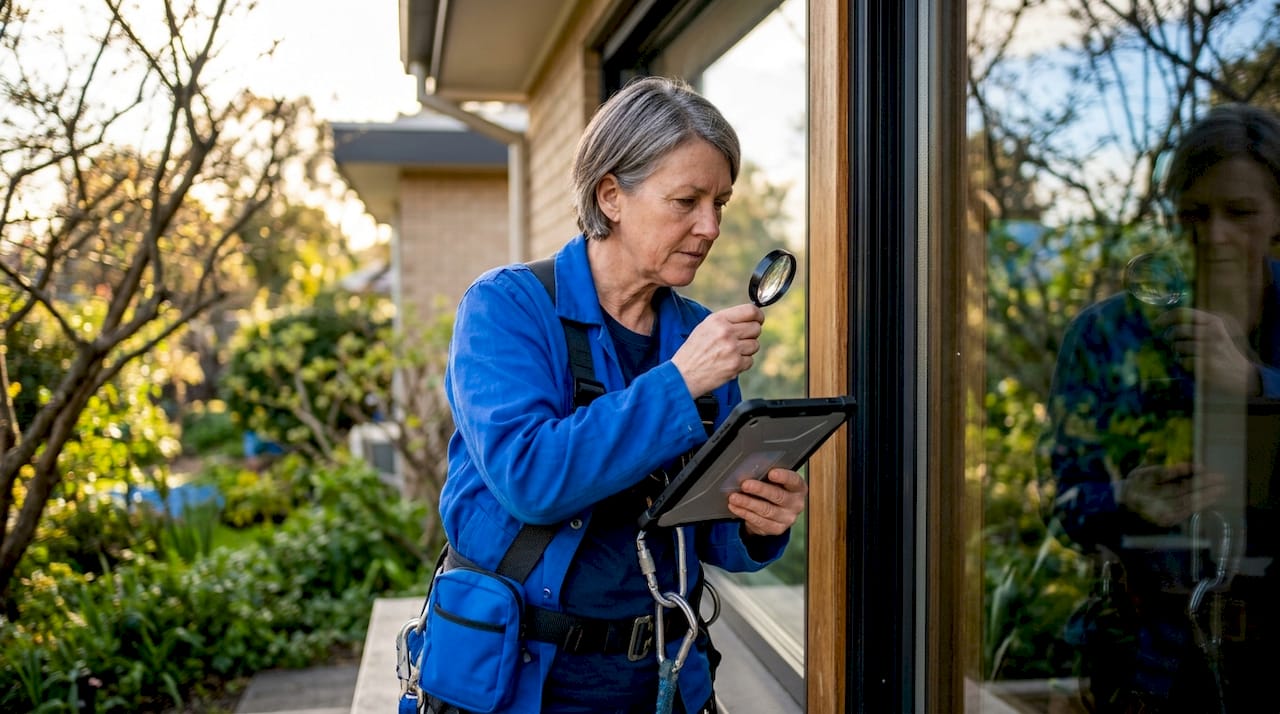
The single most important criterion when hiring a cleaning company for a complex is whether they offer bundled exterior services. Bundled packages covering windows, gutters, pressure washing, and solar panel cleaning allow single-quote and single-invoice processing for the entire property. That alone eliminates hours of administrative work per service cycle.
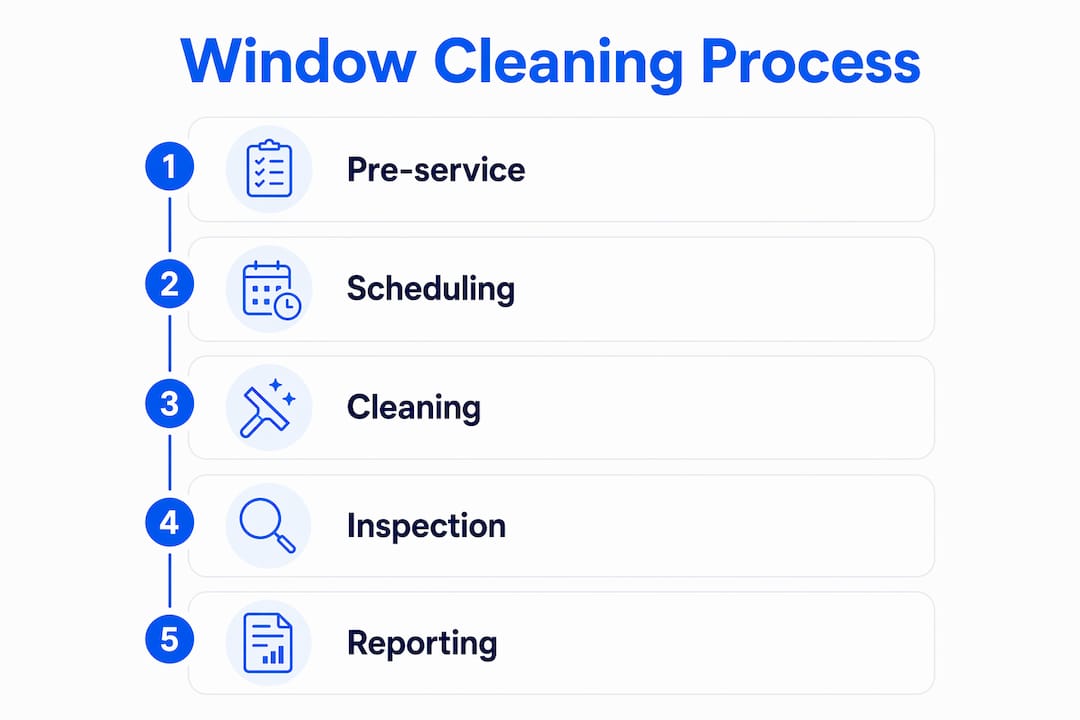
Provider certification and insurance are non-negotiable for multi-unit buildings. A crew working at height on a residential building without liability insurance exposes the property owner to significant legal risk. Look for providers with documented insurance certificates and experience coordinating across multiple buildings on a single site. Broswindowcleaningoc, for example, operates as a fully insured provider across Orange County with crews trained for multi-building residential properties.
Key criteria for evaluating providers
- Bundled service capability. Confirm the provider handles windows, gutters, pressure washing, and solar panels under one contract.
- Proof of insurance. Request a current certificate of liability insurance before signing any agreement.
- Multi-building experience. Ask for references from other residential complexes, not just single-family homes.
- Pre-service walkthrough policy. A reputable provider always conducts an in-person walkthrough before quoting to identify access challenges, tenant policies, and vehicle zones.
- Single point of contact. One account manager for scheduling, changes, and billing reduces friction significantly.
Pro Tip: Request a sample invoice from the provider before you commit. A bundled invoice that itemizes each service separately gives you the clearest picture of where your budget goes.
The pre-service walkthrough deserves special attention. Providers who skip this step almost always deliver inaccurate quotes and run into avoidable delays on service day. A walkthrough confirms building count, zone layouts, access restrictions, and resident scheduling preferences before any crew arrives. Identifying access challenges early prevents operational friction and keeps the job on schedule.
| Evaluation factor | What to look for |
|---|---|
| Insurance coverage | Current liability certificate, workers’ compensation included |
| Service scope | Windows, gutters, pressure washing, solar panels in one contract |
| Complex experience | References from multi-building residential sites |
| Walkthrough practice | In-person site visit before any quote is issued |
| Communication model | Dedicated account contact for scheduling and billing |
What scheduling practices minimize disruption for residents?
Clear resident communication before and during service is the single biggest factor in tenant satisfaction during apartment window washing. Providers who keep residents informed maintain trust and reduce complaints, while those who show up unannounced generate friction regardless of how well the cleaning goes. A 48-hour notice to residents, followed by a reminder on the morning of service, covers most situations.
Residents often judge property management quality by the cleanliness of communal entrances more than upper-floor windows. Scheduling entrance glass and lower communal areas first creates an immediate visible impact that residents notice before crews move to upper floors. That sequencing also lets residents see progress early, which reduces the number of complaints about access or noise.
Timing matters as much as notice. Scheduling window cleaning services on weekday mornings, between 8:00 AM and 12:00 PM, avoids peak resident movement and gives crews the best natural light for spotting streaks. Avoid Friday afternoons and weekends when residents are home in higher numbers.
- Send written notice to all residents 48 hours before service
- Post a reminder in communal areas on the morning of service
- Schedule crews to start at communal entrances and ground-floor units first
- Coordinate with strata councils or resident associations for building-wide buy-in
- Collect resident feedback within 48 hours of service completion
Routine scheduling builds trust faster than any single perfect service. When residents see crews arrive on a predictable schedule, they associate that consistency with competent property management. That perception directly affects lease renewal rates and referral behavior in multi-unit communities.
Step-by-step plan for executing window cleaning at a residential complex
A well-run window cleaning operation at a residential complex follows a clear sequence from first contact to post-service review. Skipping any step creates gaps that show up as missed units, access delays, or resident complaints.
- Collect baseline data. Before contacting providers, document the number of buildings, total unit count, window types, and any access restrictions such as gated entries or underground parking.
- Request an in-person walkthrough. Share your baseline data with shortlisted providers and schedule a site visit. The walkthrough confirms scope, identifies vehicle zones, and surfaces any logistical issues before quoting.
- Confirm scope and schedule in writing. Once you select a provider, get a written confirmation covering service types, dates, access methods, and resident notification responsibilities.
- Notify residents. Send written notice 48 hours before service. Include the date, approximate hours, and any instructions such as moving vehicles or keeping windows closed during cleaning.
- Day-of-service protocol. Professional crews meet the designated property contact on arrival, set safety perimeters, and clean zone by zone using lifts, water-fed poles, or rope access as the building requires.
- Post-service inspection. Walk the property with the crew supervisor to confirm all units were completed and flag any areas needing touch-up.
- Collect resident feedback. Send a brief survey or check-in message within 48 hours. Feedback from this step feeds directly into improving the next service cycle.
| Phase | Key action | Responsible party |
|---|---|---|
| Pre-service | Baseline data collection and walkthrough | Property manager |
| Pre-service | Written scope and schedule confirmation | Provider |
| Day before | Resident notification sent | Property manager |
| Service day | Safety perimeters set, zone-by-zone cleaning | Provider crew |
| Post-service | Inspection walkthrough and feedback collection | Both parties |
Communal entrance glass and lower-level areas should appear on the service checklist as a named line item, not an afterthought. Properties that include these areas consistently in their exterior cleaning schedule report higher resident satisfaction scores than those focused only on upper-floor windows.
Key Takeaways
Efficient coordination of window cleaning in a residential complex requires bundled services, a fixed maintenance calendar, and proactive resident communication to protect property value and reduce management workload.
| Point | Details |
|---|---|
| Maintenance frequency | Schedule professional cleaning every 6–12 weeks and full inspections each spring and autumn. |
| Bundled provider value | One provider for windows, gutters, and pressure washing cuts invoicing and coordination time significantly. |
| Pre-service walkthrough | Always require an in-person site visit before quoting to prevent access delays and pricing errors. |
| Resident communication | Send written notice 48 hours before service and collect feedback within 48 hours after. |
| Drainage and seal checks | Clear drainage holes quarterly and flag seal failures immediately to avoid costly structural repairs. |
What I’ve learned after watching too many complexes get this wrong
The most common mistake I see property managers make is treating window cleaning as a one-off task rather than a recurring system. They call a provider when windows look visibly dirty, get a rushed quote, and end up with a crew that has never seen the property before showing up on a Monday morning with no resident notice. The result is complaints, missed units, and a bill that doesn’t match the scope.
The fix is simpler than most managers expect. Lock in a provider who does the walkthrough, bundles the services, and sends one invoice. Then build the schedule into your annual maintenance calendar the same way you would HVAC servicing or fire safety inspections. Proactive maintenance schedules aligned with seasonal changes extend window lifespan and eliminate the emergency call pattern that costs far more in the long run.
The other thing I’d push back on is the assumption that upper-floor windows matter most. Residents interact with communal entrances every single day. A spotless lobby window does more for resident perception than a perfectly cleaned 10th-floor unit they never think about. Build your cleaning sequence around what residents actually see first.
Understanding what quality window cleaning looks like at the provider level also changes how you evaluate bids. The cheapest quote almost always reflects a provider who skipped the walkthrough, carries minimal insurance, and has no system for resident communication. You will pay for that gap eventually, just not on the invoice.
— nolan
Window cleaning solutions for your residential complex
Broswindowcleaningoc works with property managers across Orange County to handle the full scope of exterior building maintenance under one contract.
The service lineup covers window and gutter cleaning, pressure washing, solar panel cleaning, and roof cleaning, all coordinated through a single point of contact. Every crew is licensed and insured, and every job starts with an in-person walkthrough to confirm scope before any quote is issued. Property managers get one invoice per service cycle, not a stack of paperwork from separate vendors. If you manage a residential complex in Orange County and want a 2026 window cleaning plan built around your building’s specific needs, reach out to Broswindowcleaningoc to schedule your walkthrough.
FAQ
How often should a residential complex get window cleaning?
Service plans run monthly, bi-monthly, or quarterly depending on site conditions, with every 6–12 weeks as the standard range for most residential complexes.
What is included in a bundled exterior cleaning package?
A bundled package typically covers window cleaning, gutter cleaning, pressure washing, and solar panel cleaning under one contract with a single invoice.
Why is a pre-service walkthrough necessary for apartment window washing?
A walkthrough identifies access restrictions, vehicle zones, and tenant policies before service day, preventing delays and ensuring the quote reflects the actual scope of work.
How should property managers notify residents before window cleaning?
Send written notice to all residents 48 hours before service and post a reminder in communal areas on the morning of the scheduled cleaning.
What maintenance tasks prevent costly window repairs in residential buildings?
Clearing drainage holes quarterly and catching seal failures early through twice-yearly inspections are the two most effective ways to avoid expensive structural repairs.
Pingback: HOA Window Cleaning Contracts: A Manager's Checklist Before You Sign