
Pressure washing is the most practical first line of defense against graffiti for property managers and building owners. Remove graffiti promptly and you cut the odds of repeat tagging sharply. Wait longer, and paint cures into porous surfaces, making removal harder and raising the risk of permanent staining. The role of pressure washing in graffiti prevention goes beyond cleanup: a consistently clean exterior signals active ownership, and vandals reliably target neglected surfaces over maintained ones.
Key reasons pressure washing works as a graffiti deterrent:
- Hot water pressure washing loosens paint faster and boosts chemical cleaner performance compared to cold water alone
- Rapid removal within 24 to 48 hours is the top evidence-based graffiti prevention method recommended by policing and municipal standards.
- A clean exterior signals active maintenance, discouraging vandals who look for neglected properties
- Proper technique preserves surface integrity, protecting long-term property value
- Pressure washing pairs with anti-graffiti coatings for a layered, lasting defense
What equipment settings actually work for graffiti removal
The gap between effective and damaging pressure washing often comes down to three variables: pressure, temperature, and nozzle choice. The U.S. National Park Service recommends a low-pressure spray within the lower PSI range for graffiti removal, controlled through a hose and delivery wand kept at least 12 inches from the surface. That range may sound modest, but it is intentional. Consumer-grade pressure washers sold at hardware stores typically operate at 1,600–3,200 PSI, pressures that can etch brick, strip paint from wood, and permanently scar historic masonry.
Hot water is where professional equipment earns its keep. Working in a warm water temperature range accelerates chemical cleaner action and lifts paint that cold water alone cannot shift. Chemical graffiti removers typically perform best between 10 and 15°C, but the heat from a hot water system pushes their effectiveness well beyond that window.
| Setting | Recommended range | Why it matters |
|---|---|---|
| Pressure | low PSI range | Removes paint without etching or abrading substrate |
| Water temperature | hot water temperature range | Accelerates chemical cleaner action on cured paint |
| Nozzle type | Fan tip | Distributes force evenly, minimizes surface damage |
| Standoff distance | At least 12 inches | Prevents concentrated pressure from cutting the surface |
| Avoid | Above 1,600 PSI | Causes permanent damage on soft or historic materials |
Pro Tip: Start at the lowest effective pressure and increase gradually. It is far easier to run a second pass than to repair etched masonry.
How surface type should shape your cleaning approach
Not every wall responds the same way to pressure washing, and treating them identically is where property owners get into trouble. Vinyl siding and painted wood need lower pressure and hot water rather than chemical solvents, which can lift existing paint. Historic brick and soft limestone are porous and highly susceptible to what professionals call “ghosting,” where dissolved pigment soaks deeper into the substrate during rinsing rather than washing away.
- Use lower pressure combined with hot water on delicate or historic surfaces; avoid high-pressure settings that strip surface texture
- Apply thickened gel cleaners on porous surfaces like brick; the gel dwells on the face of the material and limits how far pigment can migrate before rinsing
- Pair chemical graffiti removers with controlled pressure washing for best results on concrete and artificial stone
- Avoid excessive pressure on any porous surface to prevent etching and ghosting that no amount of subsequent cleaning can fix
- Protect adjacent surfaces with plastic sheeting before washing to prevent contaminated rinse water from staining nearby materials
Pro Tip: Always test your chosen method on a small, inconspicuous area first. A hidden patch of wall tells you far more than any product label.
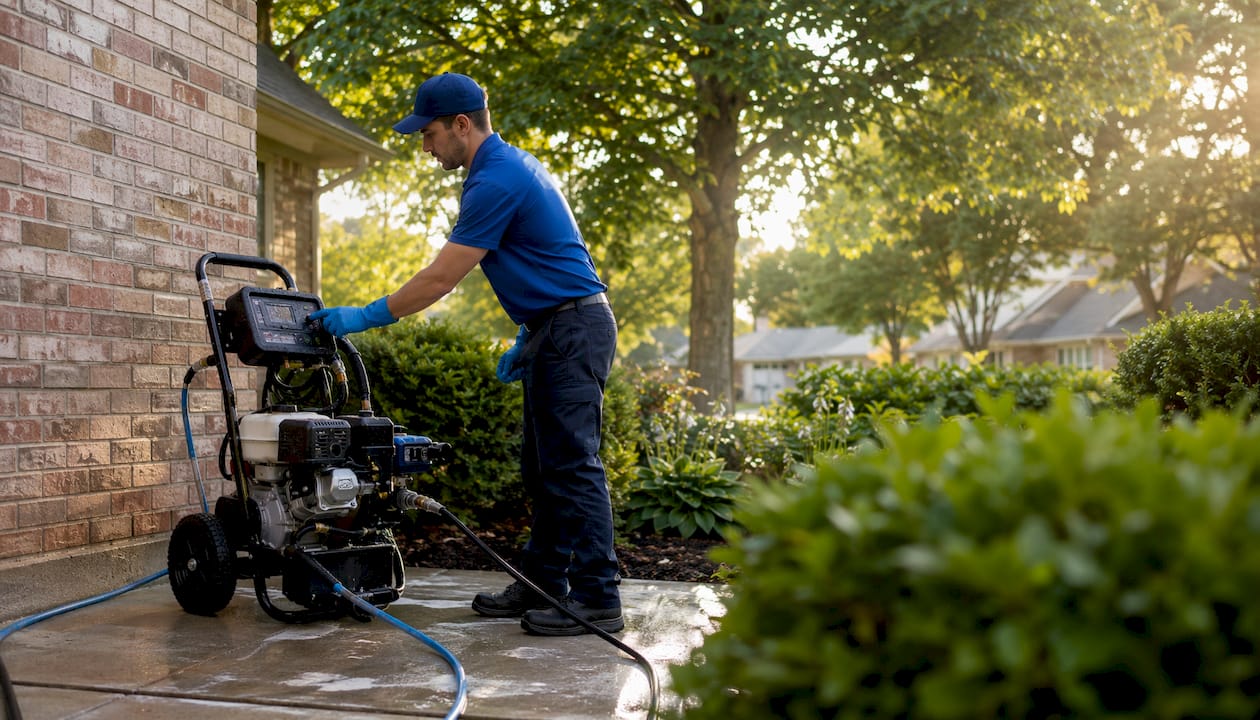
Understanding common pressure washing mistakes before you start can save you from costly surface repairs down the line.
Why professional expertise makes a real difference
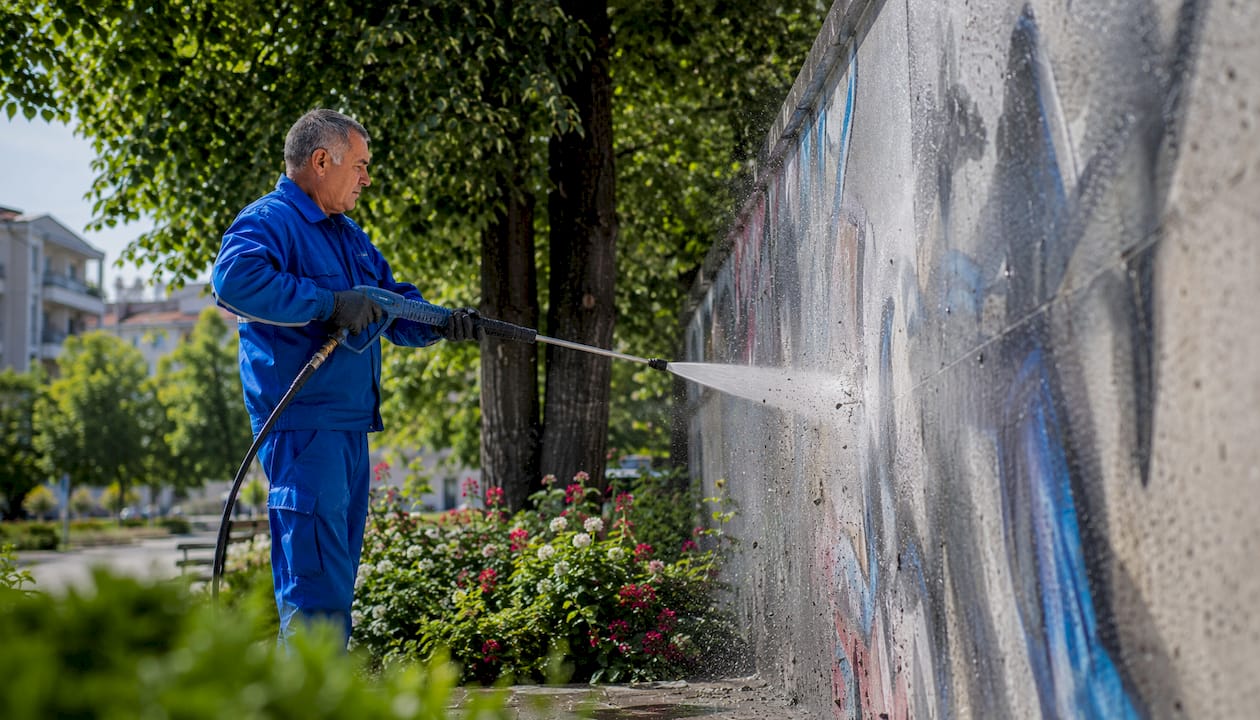
Graffiti removal looks straightforward until something goes wrong. Professionals bring an understanding of how pressure, temperature, and chemistry interact across different substrates, and that knowledge is what separates a clean wall from a damaged one. Trained technicians know to begin with the gentlest effective method and escalate only when necessary, which is the single most reliable way to avoid permanent substrate damage.
Core reasons to hire a professional for graffiti pressure washing:
- They calibrate pressure and temperature to the specific material, preventing water intrusion and surface erosion
- They recognize ghosting risk early and switch to gel-based cleaners before pigment embeds permanently
- They can integrate removal with surface re-protection, applying anti-graffiti sealers immediately after cleaning
- They carry proper insurance, protecting you from liability if something goes wrong during the process
- Their equipment is calibrated for graffiti work, not general-purpose cleaning at hardware-store pressure levels
A professional also responds faster. Speed matters here: every additional day a tag stays visible raises the likelihood of additional vandalism on the same surface.
Integrating pressure washing into a broader graffiti prevention plan
Pressure washing alone cannot prevent graffiti from coming back. The evidence is clear that rapid removal within 24–48 hours is the single most effective deterrent, but it works best as part of a repeatable cycle: detect, clean, document, and re-protect.
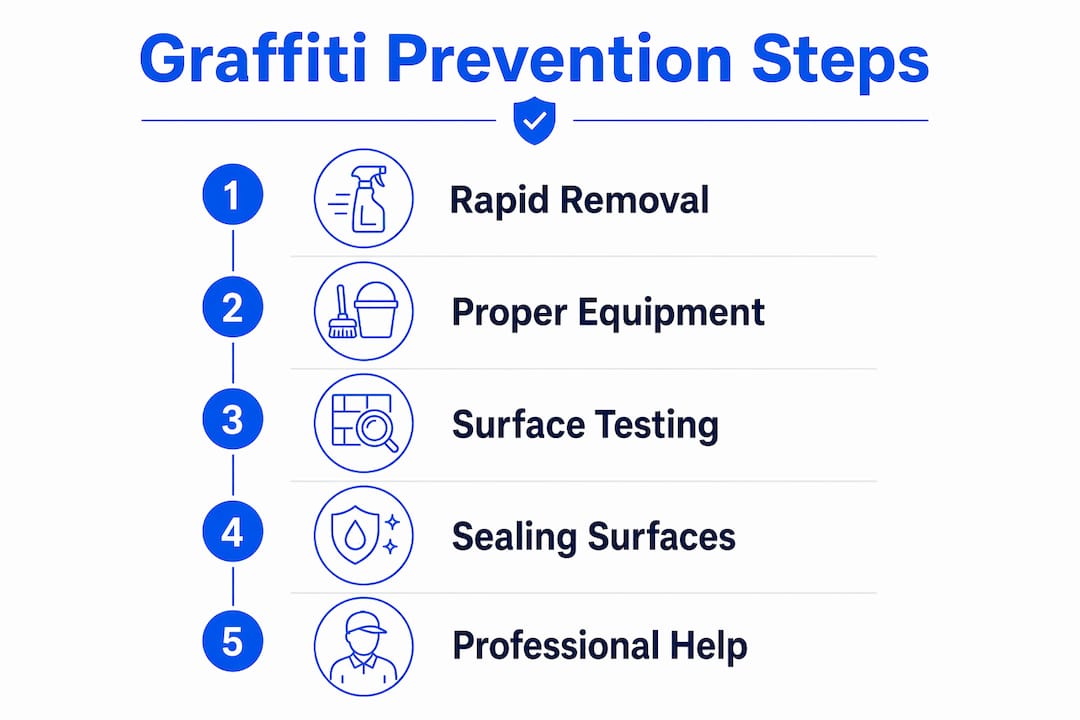
Anti-graffiti coatings are the natural complement to pressure washing. Permanent film systems form solvent-resistant barriers on treated surfaces and can last several years. Sacrificial coatings, typically natural waxes or acrylates, are removed entirely during each cleaning and then reapplied, making hot water pressure washing the primary removal tool. Neither coating type eliminates the need for fast removal, but both reduce how much effort each cleaning requires.
Best practice prevention measures to run alongside regular pressure washing:
- Schedule pressure washing on a fixed cycle for known high-risk surfaces, not just after incidents
- Apply anti-graffiti sealers immediately after each cleaning while the surface is clean and dry
- Document every graffiti incident with photos and dates to identify repeat target areas
- Improve lighting around vulnerable surfaces; well-lit areas see less tagging activity
- Combine surface protection with exterior property maintenance to signal consistent ownership
Pairing pressure washing with professional-grade sealers, as outlined by Star Windows Solutions, gives property owners a layered defense that addresses both the immediate incident and the conditions that invite repeat vandalism.
Broswindowcleaningoc brings professional graffiti cleaning to Orange County
Property managers who need graffiti gone fast, without surface damage, get exactly that from Broswindowcleaningoc. Based in Orange County and fully insured, the team handles pressure washing for residential and commercial properties with the equipment calibration and technique knowledge that hardware-store rentals simply cannot replicate.

Broswindowcleaningoc’s pressure washing service covers graffiti removal across a range of exterior surfaces, from painted concrete to brick facades, using hot water systems and professional-grade settings that protect your substrate while restoring appearance. The team also advises on protective coatings after cleaning, giving you the layered defense this article describes rather than a one-time fix. For a full breakdown of what professional pressure washing covers in Orange County, visit the Orange County pressure washing guide or get in touch directly to schedule a visit.
Key Takeaways
Pressure washing removes graffiti most effectively when hot water, low PSI settings, and rapid response within 24–48 hours are combined with anti-graffiti coatings for lasting surface protection.
| Point | Details |
|---|---|
| Remove graffiti fast | Clean within 24–48 hours to deter repeat vandalism and prevent paint from curing into porous surfaces. This timeframe is the top evidence-based prevention method recommended by policing and municipal standards. |
| Use correct pressure settings | Stay within low PSI range with a fan tip nozzle and at least 12 inches of standoff distance to avoid surface damage. |
| Hot water outperforms cold | Working at hot water temperature range accelerates chemical cleaner action and lifts cured paint that cold water cannot shift. |
| Layer coatings with cleaning | Permanent anti-graffiti films last up to 10 years; apply them after each cleaning to reduce future removal effort. |
| Broswindowcleaningoc | Orange County’s fully insured pressure washing service handles graffiti removal with professional equipment and post-clean surface protection. |