
You just wrapped up a major renovation or new build in Orange County, and the property looks stunning from a distance. Then you step closer and notice the windows are covered in a chalky film, spotted with paint drips, and coated in a fine layer of drywall dust that standard Windex won’t touch. This is one of the most overlooked surprises in construction: brand-new windows can actually look worse after a project than before it started. Post-construction window cleaning is a specialized service that goes far beyond routine maintenance, and understanding it can save you from costly mistakes and a lasting bad impression.
Table of Contents
- What is post-construction window cleaning?
- Why post-construction window cleaning is essential
- Professional vs. DIY post-construction window cleaning
- Step-by-step: How pros clean windows after construction
- Safety tips and aftercare for spotless windows
- The hidden value of professional post-construction window cleaning
- Get clarity: Book expert post-construction window cleaning in Orange County
- Frequently asked questions
Key Takeaways
| Point | Details |
|---|---|
| Specialized cleaning needed | Post-construction window cleaning tackles residues regular cleaning misses. |
| Protect property value | Thorough cleaning after construction guards against damage and boosts curb appeal. |
| DIY has risks | Attempting to clean post-construction debris without expertise can result in costly mistakes. |
| Pro methods are safer | Professional window cleaners use specialized tools and processes to deliver spotless, safe results. |
| Aftercare is crucial | Proper maintenance and safety practices keep windows clear long after construction is done. |
What is post-construction window cleaning?
Post-construction window cleaning is the targeted removal of construction-related contaminants from glass, frames, and seals after a build, remodel, or renovation. It is not the same as your typical bi-weekly window wipe-down, and treating it like routine cleaning is one of the fastest ways to cause permanent damage.
Regular window cleaning addresses everyday grime like dust, water spots, and fingerprints. Post-construction cleaning tackles a completely different category of debris. We’re talking about paint overspray, caulk residue, silicone splatters, sticker adhesives from new glass installations, drywall compound, mortar, grout haze, and in some cases, even concrete mist from nearby cement work.
Common contaminants found on windows after construction:
- Paint splatter (both latex and oil-based)
- Drywall and plaster dust (highly alkaline and abrasive)
- Adhesive residue from protective films and stickers
- Caulk and silicone overspray
- Concrete and mortar haze
- Grout residue from tile work near windows
- Sawdust and construction debris embedded in frames
The reason regular cleaning won’t work here is chemistry and physics. Alkaline drywall dust, for example, can etch glass if left too long or scrubbed with the wrong tools. Using a squeegee and soapy water on hardened caulk won’t remove it, and attempting to scrape paint off without the right blade angle and technique risks scratching the glass permanently. Understanding window cleaning terms like “hard water etching” or “tempered glass sensitivity” helps you appreciate why this service demands a trained hand.
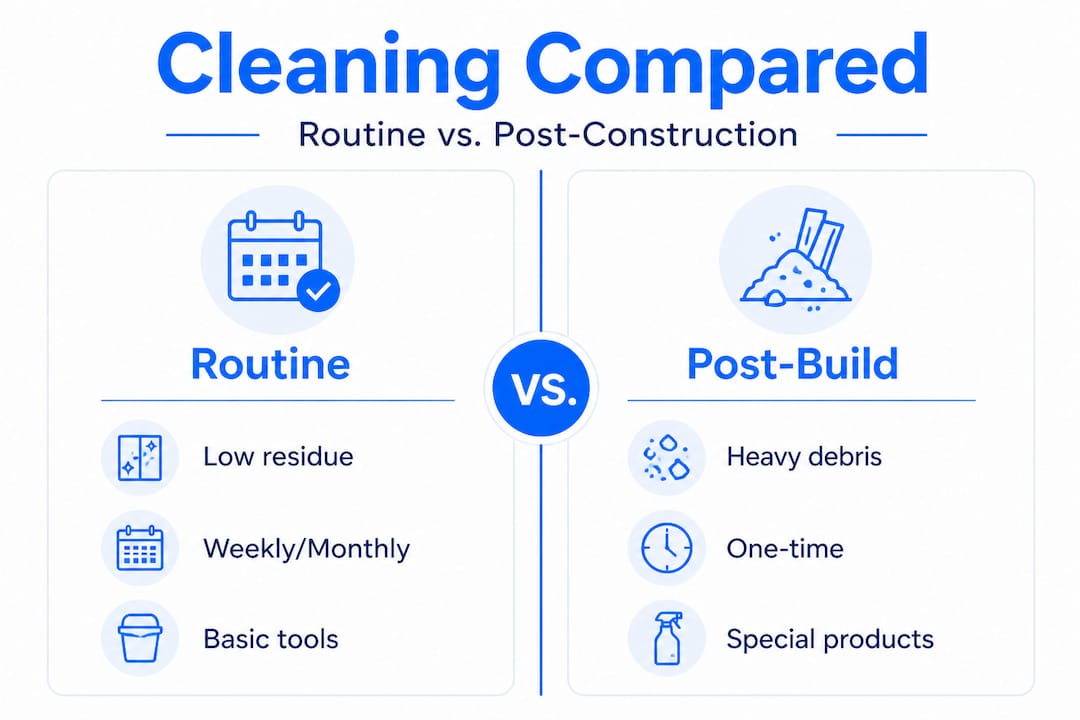
| Feature | Routine window cleaning | Post-construction cleaning |
|---|---|---|
| Frequency | Weekly or monthly | Once after construction ends |
| Tools needed | Squeegee, soap, microfiber | Scrapers, solvents, specialized brushes |
| Contaminants | Dust, rain spots, fingerprints | Paint, adhesives, mortar, drywall dust |
| Risk of damage | Low | High without proper technique |
| Time required | 30 to 90 minutes | Several hours depending on project size |
| Cost | Low to moderate | Moderate to high |
Research consistently shows that window cleaning ROI is measurable in both residential and commercial settings. Clean windows aren’t cosmetic afterthoughts. They’re part of the first impression your property makes. For Orange County window cleaning customers, the stakes are especially high given the sunny climate that makes every smear and streak glaringly visible year-round.
Why post-construction window cleaning is essential
Post-construction cleaning isn’t optional if you care about your property’s appearance and longevity. The contaminants left behind after construction aren’t just ugly. Some of them actively damage glass over time.
“Curb appeal is not just what buyers see. It’s what they feel when they pull up to your property for the first time. A film of construction dust on new windows sends the wrong signal entirely.”
Concrete residue contains calcium and minerals that can permanently etch glass within weeks of exposure. Alkaline drywall dust reacts with moisture in the air, forming a caustic compound that clouds glass. Construction adhesives harden over time and become exponentially harder to remove safely the longer they sit.
Key benefits of post-construction window cleaning:
- Prevents permanent etching and glass degradation
- Removes chemically active residues before they harden further
- Restores natural light transmission into the property
- Provides a polished, move-in-ready appearance for clients or tenants
- Helps identify potential installation issues like cracked seals or improper caulking
- Maintains the warranty compliance of some window brands, which require clean installation
- Enhances the marketability and perceived value of the property
The data backs up the aesthetic argument too. Properties with clean windows and strong curb appeal can increase property value by a meaningful margin during appraisals and sale negotiations. For commercial properties, spotless windows communicate professionalism and attention to detail, factors that influence whether a customer walks through the door or keeps driving.
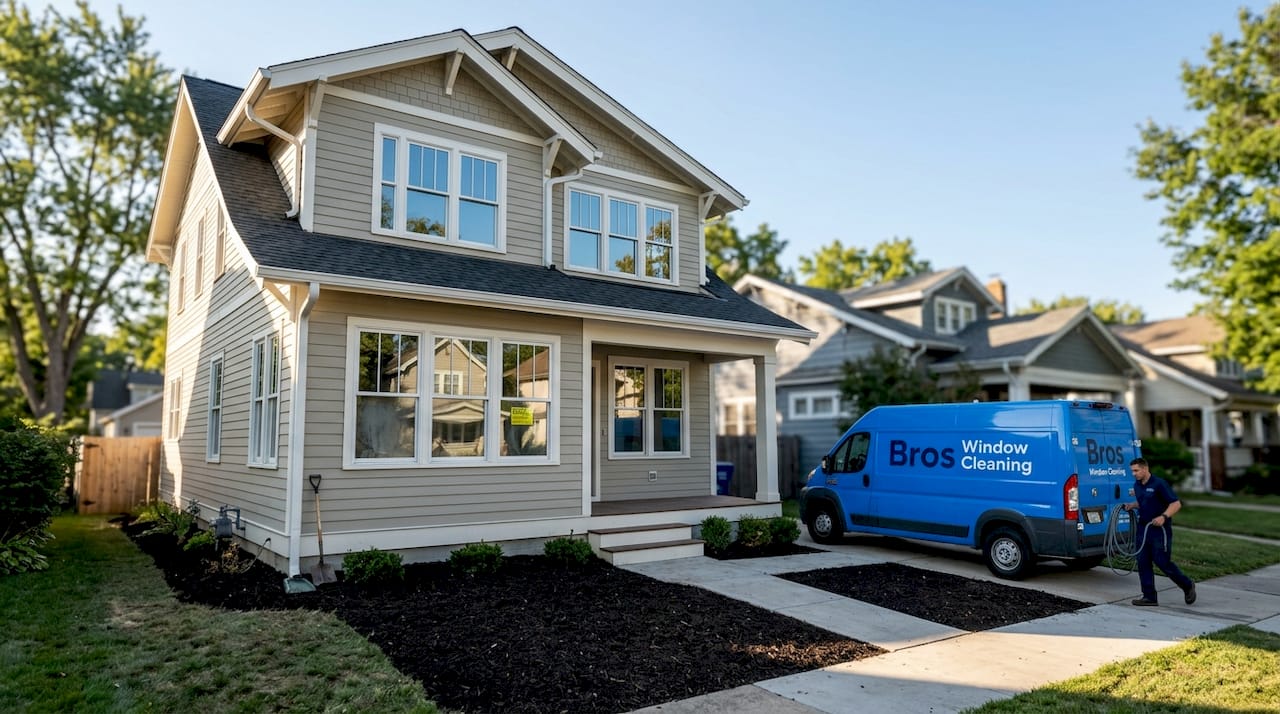
Homes and businesses in Orange County face additional pressure here. The coastal air carries salt and marine particulates, while inland areas deal with dust and pollen. When construction debris mixes with these environmental factors, the resulting buildup on windows is far more stubborn than in less demanding climates. Investing in proper cleaning immediately after a project helps boost property value while protecting your new construction investment from day one.
Professional vs. DIY post-construction window cleaning
Choosing between tackling this yourself and hiring a pro is a real decision with real financial and physical consequences. Here is how the two approaches compare honestly.
| Criteria | DIY | Professional |
|---|---|---|
| Upfront cost | Lower | Higher |
| Risk of glass damage | High | Low |
| Time investment | Very high | Minimal for the owner |
| Equipment needed | Costly to acquire | Included in service |
| Liability for damage | You bear it | Insured provider bears it |
| Result quality | Variable | Consistent and thorough |
| Safety on upper floors | Risky without gear | Managed with proper equipment |
Main risks of DIY cleaning after construction:
- Using the wrong blade angle on paint residue, causing permanent scratches across glass panes
- Applying household cleaners that react badly with alkaline dust or silicone caulk
- Scrubbing with abrasive pads that leave micro-scratches, reducing glass clarity over time
- Missing residue near seals and frames that causes progressive seal degradation
- Attempting work at height without proper ladders or safety gear, creating real injury risk
- Removing protective films too aggressively, which can pull sealant from the frame
Pro Tip: DIY is reasonable for a single interior window with minor paint drips from a small painting project. The moment you are dealing with multiple windows, exterior glass above the ground floor, or any type of mortar, caulk, or industrial adhesive, call a professional. The potential cost of replacing a scratched or cracked window pane far exceeds the service fee.
The hidden cost of mistakes is significant. A single scratched pane of tempered glass on a large window can cost hundreds of dollars to replace. Multiply that across a full renovation with 20 or 30 windows and the math becomes alarming very quickly. Professional cleaning results aren’t just about appearance; they’re about avoiding expensive rework that nobody budgeted for.
Step-by-step: How pros clean windows after construction
Knowing what happens during a professional post-construction window cleaning service helps you set expectations and recognize quality work when you see it.
The professional process, step by step:
- Initial assessment: The technician inspects every window for the type and severity of contamination, checking for pre-existing cracks, seal integrity, and frame condition before touching anything.
- Dry debris removal: Loose dust, sawdust, and debris are carefully brushed away from the glass and frame to prevent abrasion during wet cleaning.
- Scraper application: A professional-grade razor scraper, held at the correct angle, lifts dried paint, caulk, and adhesive film without scratching the glass surface.
- Chemical treatment: Appropriate solvents or construction residue removers are applied to stubborn stains like silicone overspray or concrete haze, then allowed to dwell briefly.
- Wet wash: A professional cleaning solution is applied with a scrubber wand, loosening remaining residue from the entire pane surface.
- Squeegee finish: A clean, sharp squeegee removes the solution in controlled strokes, leaving no streaks behind.
- Frame and sill cleaning: Tracks, frames, and sills are wiped down to remove embedded debris that would otherwise re-contaminate the glass.
- Final inspection: The technician checks each window against natural light to catch any remaining spots, haze, or residue before moving on.
Checklist of best practices for lasting results:
- Use a fresh razor blade for each window to ensure clean scraping
- Never dry-scrape glass; always wet the surface first
- Work in the shade when possible to prevent cleaning solution from drying too fast
- Inspect window seals after cleaning and flag any issues for the property owner
- Document the condition of each window before and after cleaning
Pro Tip: One thing amateurs consistently miss is cleaning the inside of the frame channels. Construction dust compacts into tracks and sills, and the first rain or wind event after cleaning flushes that debris right back onto your freshly cleaned glass. Professionals always address the root causes of recurring contamination, not just the visible surface. Familiarizing yourself with technical cleaning terms can also help you ask the right questions when vetting service providers.
Safety tips and aftercare for spotless windows
Keeping your windows clean long after the professionals leave requires smart habits and realistic expectations about Orange County’s environment.
Top safety practices for homeowners and business managers:
- Never use steel wool or abrasive scrub pads on glass at any time
- Avoid ammonia-based cleaners on windows with tinted film or UV coatings, as they degrade the coating
- Keep ladders on firm, level ground and always have a second person present when working above the ground floor
- Wear safety glasses when scraping or cleaning residue to protect against chemical splash or debris
- Read cleaning product labels carefully, especially if windows have specialty coatings from the manufacturer
Post-construction cleaning is a one-time intensive service, but aftercare is ongoing. Orange County’s climate is sunny and dry with occasional coastal fog, and that combination creates specific challenges. Salt air from the coast leaves mineral deposits quickly, while the inland heat can bake fresh dust onto glass within days. Dealing with common Orange County window dirt means understanding the local environment and building your maintenance schedule around it.
Pro Tip: The biggest aftercare mistake we see is re-contaminating windows during the first few weeks after a post-construction clean. Sprinkler systems hitting the glass, landscape crews blowing debris near freshly cleaned windows, and even dusty construction equipment left running nearby can all undo a professional job quickly. Keep the immediate surroundings as settled as possible for the first week after cleaning.
A realistic aftercare schedule for post-construction windows in Orange County typically looks like this: a professional clean immediately after construction, a follow-up inspection at the 30-day mark to catch any residue that wasn’t apparent at first, then a standard quarterly or bi-annual maintenance cleaning going forward. Knowing how to prevent window streaks during routine maintenance between professional visits will keep your windows looking their best year-round. Understanding the correct terminology for common issues also helps when communicating with your cleaning provider about recurring window cleaning terms and conditions.
The hidden value of professional post-construction window cleaning
Here is something most homeowners and business managers don’t think about until it’s too late: post-construction window cleaning is actually one of the best quality-control checks your property gets.
When a skilled technician goes pane by pane with proper lighting and careful inspection, they often spot things that were missed during the construction sign-off. Cracked seals that will let moisture into wall cavities. A window that wasn’t seated correctly in its frame. Caulking that was applied over contaminated glass and won’t bond long-term. These discoveries, made during cleaning, give you leverage with your contractor and time to address problems before they become water damage, mold, or warranty disputes.
Conventional wisdom says post-construction cleaning is purely cosmetic. That’s wrong. The reality is that leaving caustic construction residue on glass even for a few months can permanently reduce the lifespan of windows that were just installed. That’s a serious return-on-investment issue, not a visual one. The property value perspective shifts dramatically when you factor in window replacement costs versus the modest investment of a professional post-construction clean.
There’s also the tenant and customer angle for commercial properties. A business that opens its doors after a renovation with grimy, film-covered windows is silently telling everyone who walks by that attention to detail isn’t a priority. That perception can take months to undo. Professional cleaning on day one sends a very different signal, one that pays dividends in foot traffic and first impressions that no marketing budget can fully replicate.
Get clarity: Book expert post-construction window cleaning in Orange County
Your property deserves to look as good on day one as the vision you had when you started the project. The team at Bros Window Cleaning brings over five years of Orange County-specific experience to every post-construction job, with the tools, training, and insurance to get it done right the first time.

We know the local conditions, the common construction practices used by OC contractors, and exactly what it takes to remove stubborn residue without risking your glass. Whether your project was a residential addition, a commercial buildout, or a complete renovation, we have the equipment and expertise to deliver proven curb appeal results that make your investment shine. You can also bundle your post-construction clean with gutter cleaning, solar panel cleaning, or pressure washing for a fully refreshed property from top to bottom. Reach out to the post-construction window cleaning experts at Bros Window Cleaning today to schedule your free consultation or request a quote.
Frequently asked questions
What types of debris are most common on windows after construction?
The most common debris includes paint splatter, drywall dust, adhesives, stickers, and sometimes concrete or grout residue, all of which require different removal techniques depending on how long they have been on the glass.
How long after construction should windows be professionally cleaned?
Windows should be cleaned as soon as the interior and exterior construction debris has settled to prevent permanent marks or etching, ideally within the first few weeks after project completion.
Is it possible to remove paint splatters and sticker residue myself?
Small paint spots and stickers can sometimes be carefully removed using safe tools and a wet surface, but improper removal risks scratching glass permanently or pulling sealant away from frames.
Are there local regulations or environmental concerns with post-construction window cleaning in Orange County?
Some localities in Orange County require proper disposal of construction-related debris and restrict certain cleaning chemicals near storm drains to protect local waterways, so always confirm your cleaning provider follows environmentally compliant practices.